
If Ingredients Could Talk: A Chef’s Perspective
What if the ingredients in your kitchen had a voice? If Ingredients Could Talk, they would share stories of flavor, technique, and purpose that go far beyond the plate. From the quiet strength of salt to the bold personality of garlic, every ingredient plays a role in creating something extraordinary. In the hands of a skilled chef, cooking becomes more than a process—it becomes a conversation. This blog explores how understanding ingredients, respecting their nature, and balancing their voices can transform ordinary dishes into unforgettable experiences.

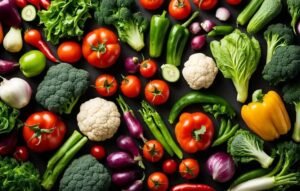
Vegetables are often underestimated.
If they could talk, they might say: “Give us a chance—we can be the star.” From the crispness of a perfectly blanched carrot to the richness of roasted mushrooms, vegetables have incredible versatility. Yet, they’re often treated as side characters. A skilled chef understands that vegetables are not just accompaniments—they are ingredients with potential. The way you cut, cook, and season them determines whether they remain ordinary or become extraordinary.
Meat: The Responsibility
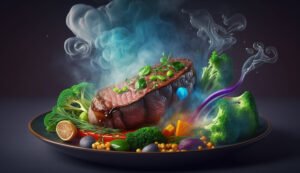
If meat could speak, its tone would be different—more serious, more grounded. “Respect me,” it would say. “I am not just an ingredient. I am a responsibility.” Cooking meat is not just about flavor—it’s about understanding temperature, texture, and timing. Overcook it, and it becomes tough. Undercook it, and it becomes unsafe. But beyond technique, there’s a deeper lesson: respect for the source. A good chef wastes nothing, uses every part thoughtfully, and ensures that the final dish justifies the ingredient.
Flour would probably smile and say
“I can be anything you want me to be.” Bread, pasta, pastry, sauce—flour is one of the most versatile ingredients in the kitchen. It adapts, transforms, and supports other ingredients without losing its identity. For chefs, flour represents creativity. With the right technique, it can become soft, crispy, airy, or dense. It reminds us that the simplest ingredients often have the greatest potential.
Salt: The Silent Hero
Salt wouldn’t say much. It doesn’t need to. “I don’t change the dish,” it would quietly explain. “I reveal it.” Salt enhances flavors—it doesn’t mask them. It brings out the sweetness in desserts, balances bitterness, and sharpens savory notes. For chefs, salt is a lesson in precision. A pinch too little or too much can change everything. It’s not just seasoning—it’s the difference between good and exceptional.
Butter: The Indulgent Artist
Butter doesn’t hold back. “I make everything better,” it would confidently declare. And it’s not wrong. Butter adds richness, texture, and flavor that’s hard to replicate. It’s the secret behind silky sauces, flaky pastries, and perfectly sautéed dishes. But butter also teaches restraint. Too much, and the dish becomes heavy. Too little, and it lacks depth. Like any indulgence, it must be used with intention.

If Ingredients Could Talk: A Chef’s Perspective
In every kitchen, there’s a quiet conversation happening—one that most people never hear. It’s not between chefs or cooks, but between the ingredients themselves. The vegetables, the spices, the meat, the grains—each carries a story, a personality, and a purpose. If ingredients could talk, a kitchen wouldn’t just be a workplace; it would be a living, breathing orchestra of voices. As chefs, we don’t just cook—we listen. The Humble Onion: The Emotional Backbone If the onion could speak, it would probably laugh at us while making us cry. “I may be simple,” it would say, “but without me, your dish has no soul.” Onions are the foundation of countless recipes. They don’t demand attention like exotic herbs or expensive cuts of meat, yet their absence is immediately noticeable. They teach an important lesson—greatness doesn’t always need recognition.
In a professional kitchen, the way you treat an onion says a lot about your discipline. Slice it unevenly, rush the caramelization, or burn it—and the entire dish suffers. Respect it, cook it patiently, and it rewards you with sweetness and depth.

Garlic: The Bold Storyteller
Garlic doesn’t whisper. It announces itself. “Use me wisely,” it would warn, “because I can elevate—or overpower.” Garlic is confidence in edible form. Just a small amount can transform a bland dish into something unforgettable. But too much? It dominates everything, leaving no room for balance. For a chef, garlic is a reminder of control. It’s not just about adding flavor—it’s about knowing how much is enough.
Spices: The Cultural Ambassadors
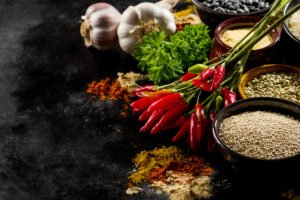
If spices could talk, they would tell stories of travel, trade, and tradition. Turmeric would speak of healing and warmth. Cumin would recall earthy kitchens filled with slow-cooked meals. Black pepper would boast about once being more valuable than gold. Each spice carries a history, often tied to a region, a culture, or a memory. When a chef uses spices, they’re not just seasoning food—they’re telling a story on a plate. The real skill lies in balance. Too little, and the dish lacks identity. Too much, and it becomes.
The Chef: The Listener
If all ingredients could speak at once, the kitchen would be overwhelming. Everyone would demand attention, each voice trying to be heard. That’s where the chef comes in. A chef’s role is not just to cook— it’s to listen, understand, and balance. To know when to let an ingredient shine and when to let it support others. To create harmony from chaos. Cooking is not about control—it’s about collaboration.
The Final Dish: A Conversation on a Plate
When a dish is complete, it becomes more than just food. It becomes a conversation. The sweetness of caramelized onions, the warmth of spices, the richness of butter, the sharpness of garlic—all come together to tell a story. And the diner? They experience that story with every bite. A well-cooked dish doesn’t just taste good—it speaks.

Conclusion: Learning to Listen
If ingredients could talk, they would teach us patience, balance, respect, and creativity. But the truth is— they already do. Every sizzle, every aroma, every change in color is a form of communication. The question is not whether ingredients speak—the question is whether we are listening. Because in the end, the best chefs aren’t just skilled with their hands. They are the ones who understand the language of food.