
A Flavorful Journey through Brazilian Cuisine

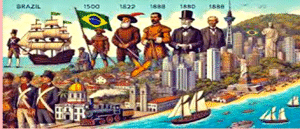
Brazilian cuisine is a vibrant reflection of the country’s rich cultural history, blending indigenous traditions with Portuguese, African, and immigrant influences. The result is a bold, colorful, and deeply satisfying food culture that varies from region to region—each with its own unique ingredients and cooking styles.
Cultural Influences on Brazilian Food
Brazils culinary identity is shaped by:
Indigenous roots – cassava (manioc), corn, and local fruits

Portuguese influence– stews, desserts, and preservation techniques
African heritage – use of palm oil, spices, and slow cooking
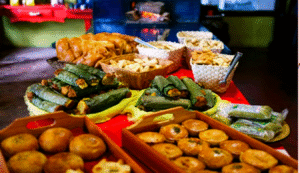
Immigrant cuisines – Italian, Japanese, and Middle Eastern flavors
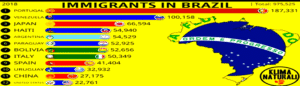
This fusion creates dishes that are hearty, flavorful, and diverse.
Iconic Brazilian Dishes
Feijoada (National Dish)
A rich black bean stew cooked with various meats,
Traditionally served with rice, collard greens, and
Orange slices. It is considered Brazil’s national dish
And is often enjoyed during weekends with family.
Moqueca
A fragrant seafood stew made with coconut milk,
tomatoes, onions, and palm oil. It has a slightly
Spicy and tangy taste and is popular in coastal regions.
Pão de Queijo
Small, chewy cheese bread made with tapioca
flour and cheese. A popular snack or breakfast
Item across Brazil.
Churrasco
Brazilian-style barbecue featuring a variety of grilled
Meats cooked over open flames, often served in
Rodízio-style restaurants.
Acarajé
A deep-fried fritter made from black-eyed peas,
Filled with spicy paste and shrimp—strongly
Influenced by African cuisine
Staple Ingredients
Brazilian cooking revolves around:
- Rice and beans (daily staples)
- Cassava (used as flour, starch, or root)
- Coconut milk
- Fresh seafood (especially in coastal areas)
- Tropical fruits like mango, papaya, and guava
Popular Desserts
Brazilian desserts are simple yet indulgent:
Brigadeiro – chocolate fudge balls
Quindim – coconut and egg yolk custard
Beijinho – coconut sweet treats
Beverages
- Caipirinha – Brazil’s national cocktail made with lime, sugar, and cachaça
- Fresh fruit juices and smoothies are widely consumed
Regional Diversity
- North: Amazonian ingredients like fish and exotic fruits
- Northeast: Strong African influence, spicy and coconut-based dishes
- South: Meat-heavy cuisine, famous for churrasco
- Southeast: Urban fusion of traditional and modern dishes
Brazilian cuisine is a celebration of culture, history, and flavor. From hearty stews to light tropical snacks, it offers something for everyone. Its emphasis on fresh ingredients, bold spices, and communal dining makes it not just food—but an experience.